- Home
- Attractions
- Page active




Bahir Dar: Lakeside City Of Ethiopia
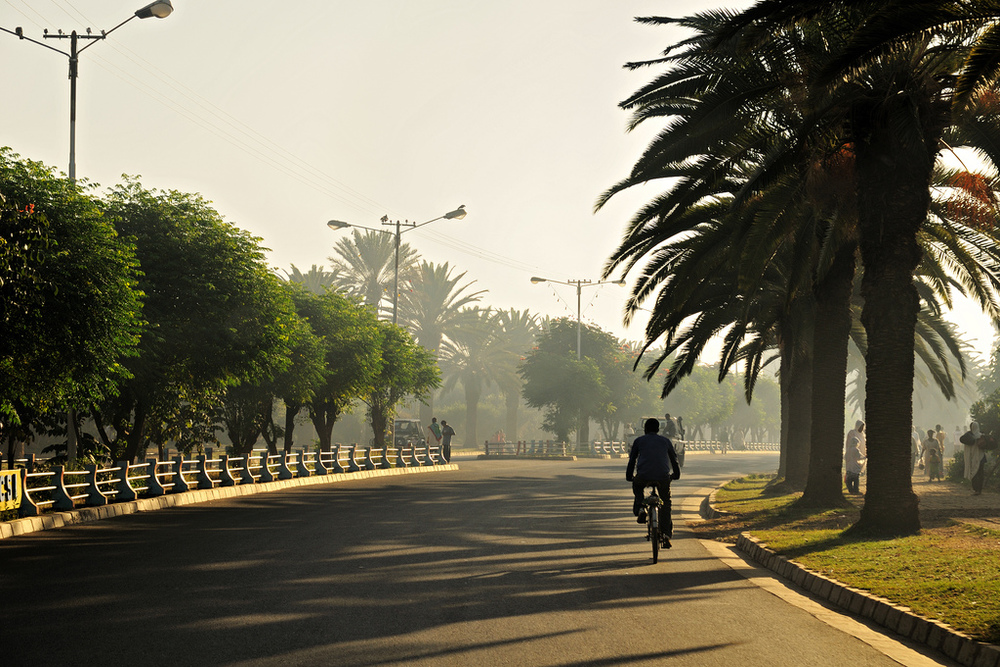
Bahir Dar is one of the leading tourist destinations in Ethiopia, with a variety of attractions in the nearby Lake Tana and Blue Nile river. The city is known for its wide avenues lined with palm trees and a variety of colorful flowers. It is also considered one of the most beautiful, well planned, and safest cities.
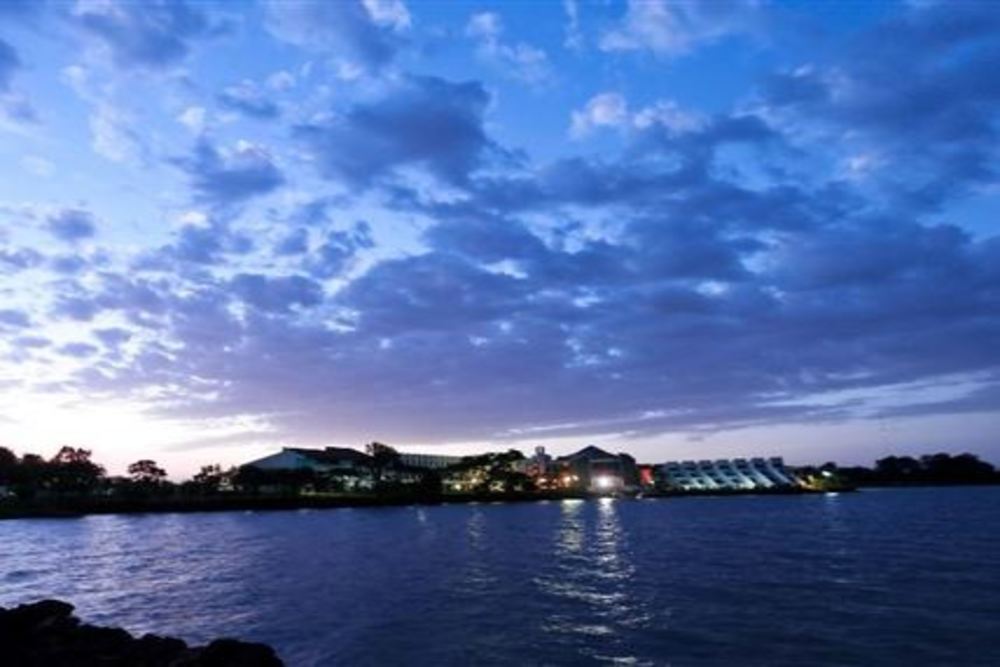
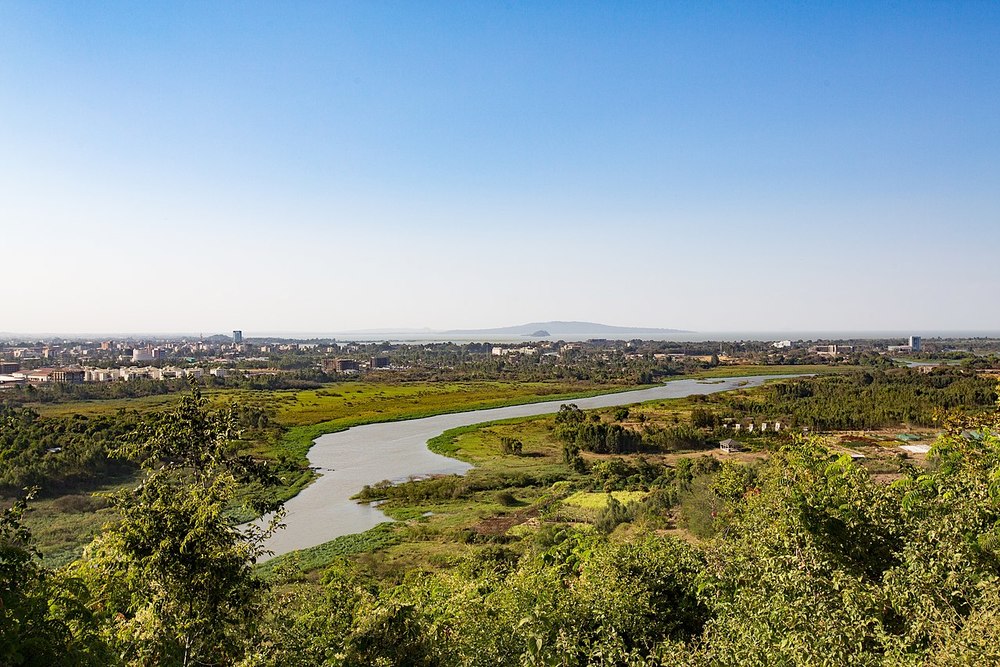
Bahir Dar is situated on the southern shore of Lake Tana, the source of the Blue Nile (locally called Abay). The city is located approximately 578 km (360 miles) north-northwest of Addis Ababa, and an elevation of 1,840 meters (6,036 foot) above sea level.
The city’s history dates back to 16th or 17th c, when Pedro Paez erected different buildings, one of which two-story structure is seen today in the compound of St. George church. In the late 18th C, Bahir Dar was used as a camping spot for the army of emperor Tewodros II, where the emperor was forced to shift to Begemdir due to cholera epidemic. Before Italian invasion which happened in 1936, Bahir dar was still a village inhabited by finger counted huts of Woyto community.
During the reign of Haileselassie, different studies were underway to expand different infrastructures of the town but were interrupted due to invasion Italy. Instead, it had served as the camping site of Italian army of Gojjam province until Italy was defeated in 1941. When Ethiopia got its independence, Bahirdar had served as the capital of district (Wereda) and the first administrator of the district was Azaj Zewudu Zemed agegnehu. Later on different public service institutions such as police station, court and prison were established.
In 1948 the first master plan of the Bahir dar was prepared by Engineer Tadesse W/Gebriel and different public service institutions were established for serving the community. The first school, named as Sertse-Dingil was opened in 1944. The modern master plan which gave current shape of the city was prepared in 1962 by team led by a German known as Mucks Gutter to accommodate 300, 000 population.
The construction of Tis Abay Hydropower electric was commenced in 1961 and Bahirdar was accessed to electric power upon completion of the project in 1964. This was a good opportunity for expansion of Bahir Dar Textile Factory which started its operation in in some extent in 1962. In 1963 the Polytechnique Institute and Felegehiwot Hospital were opened under support of Soviet Union and Germany respectively.
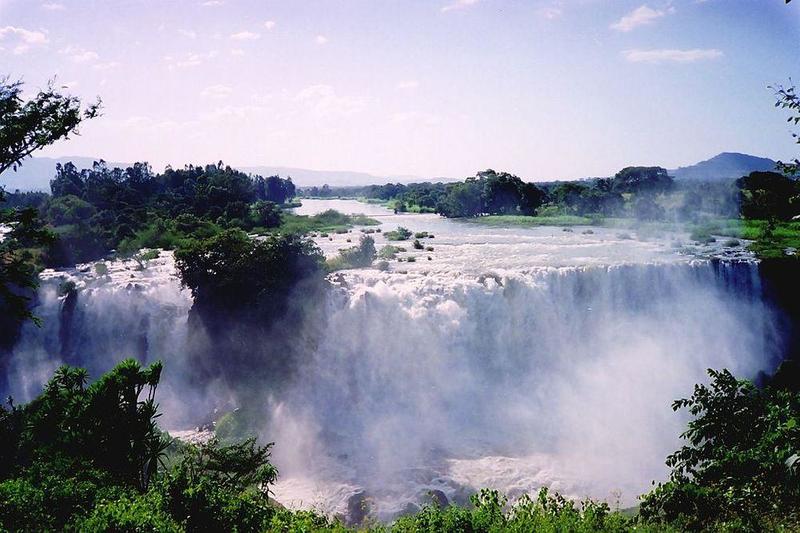
With tremendous tourist attractions and gratification, the city lies at the southern edge of Lake Tana and at the outlet of the great Blue Nile River. Having the wide palm-lined boulevards, and located on the stunning shore of Lake Tana, and doorstep of Lake Tana’s mystical monasteries and the Blue Nile Falls (Tis Abay Fuafuate in Amharic) where waters of the Blue Nile plunge over a cliff that is 50 meters long and 400 meters wide. The beautiful town –Bahir Dar –ranked one of the Ethiopia’s best tourist attractions because it has more to give for its guests. In 2002, UNESCO ranked it as first convenient city for dwellers in Africa and 10th in the world and it was awarded thee UNESCO cities for peace prize for addressing the challenges of rapid urbanization.
Emperor Haile Selassie's modest palace is on a small hill to the right of the road about two kilometers (one and a half miles) along the main road after the bridge. A signpost marks the turnoff to the asphalt road leading to the palace, which overlooks the river at a spot where hippopotamus are sometimes seen and offers a chance to inspect part of the monarch's private library, reception room, bedroom, and bar. Contact us to arrange this Tour.
Related Tours
Best of Bahir Dar in One Day

Trek to simien Mountain 1 day

Northern Ethiopia 13 Days